
Indonesia’s Halal Certification Deadline: Business Readiness Ahead of October 18
Indonesia will enter the next phase of mandatory halal certification (Wajib Halal) on October 18, 2026, under Law No. 33/2014 on Halal Product Assurance and its current implementing framework, Government Regulation No. 42/2024. The regulatory framework expands compliance requirements across additional product categories and businesses. Rather than limiting oversight to traditional agricultural and food sectors, the regime encompasses processed food and beverages, cosmetics, traditional medicines, certain medical devices, raw materials, consumer goods, and specific industrial components. Enterprises across these sectors will need to integrate formal halal assurance requirements into their manufacturing and distribution operations to maintain domestic market access.
From an international trade perspective, the Ministry of Trade has clarified that mandatory halal certification operates as a market distribution condition rather than an import restriction. Foreign goods may enter Indonesian territory without halal certification; however, products subject to the requirement must comply before being commercially distributed within the domestic market.
To facilitate cross-border compliance and minimize international trade friction, Indonesia relies on Mutual Recognition Agreements (MRAs) between the Halal Product Assurance Organizing Agency (BPJPH) and foreign halal certification bodies. Under these arrangements, halal certificates issued abroad can be recognized within Indonesia, provided the issuing entities meet national technical standards and statutory requirements. As of September 2026, BPJPH reported that it had executed MRAs with 116 foreign halal institutions out of 199 applicants globally, including recognized certifiers in the United States, such as Halal Transactions of Omaha (HTO) and the Islamic Food and Nutrition Council of America (IFANCA). Supported by ongoing dialogue with trading partners such as the European Union, these mechanisms are intended to facilitate cross-border compliance while maintaining adherence to domestic standards.
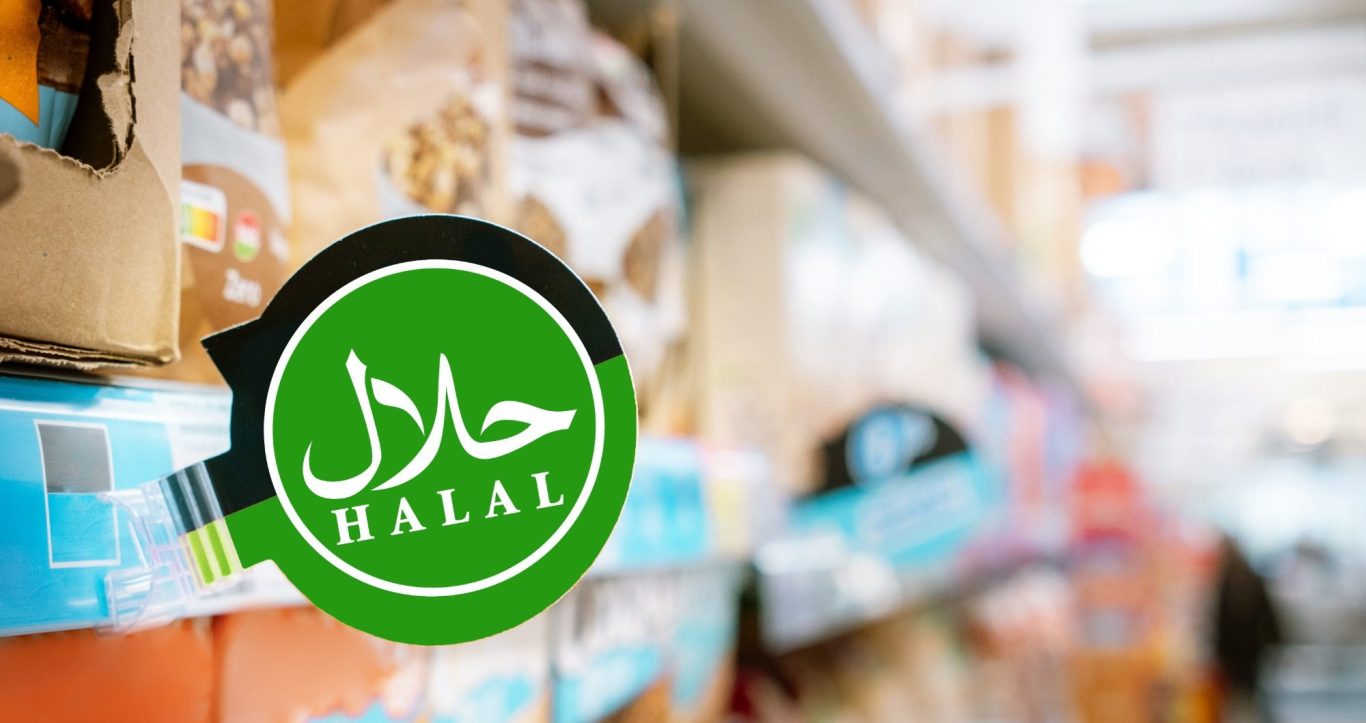
Execution of the mandatory halal policy relies on coordination across key government agencies. BPJPH functions as the central regulatory authority responsible for policy formulation, accreditation, MRA negotiations, and certificate issuance. Under the Halal Product Assurance framework, products that have secured halal certification must bear an official halal label, while products that are intentionally non-halal must display the prescribed non-halal information. BPJPH Regulation No. 3/2026, issued in July 2026, provides more detailed rules on the form and procedures for displaying such information. Sector-specific implementation also involves agencies including the Food and Drug Supervisory Agency (BPOM) and the Ministry of Industry. While implementation will require administrative adjustments and potential additional costs for both domestic enterprises and multinational corporations, the framework is intended to strengthen regulatory certainty as businesses prepare for the October deadline.
For imported products, compliance also extends beyond certification to the shipment and verification process. Under BPJPH Regulation No. 4/2026, relevant foreign products are subject to conformity assurance before import customs declarations are submitted, including document and physical checks conducted in the country of loading and/or origin. The process may examine product and certification details, shipment documentation, labeling, storage and transport conditions, and supporting records where applicable. These additional pre-shipment requirements increase the importance of coordination among foreign manufacturers, importers, logistics providers, and compliance teams before goods enter Indonesia.
Government authorities have maintained that the October 18, 2026 deadline remains firm and that international outreach and preparations are progressing. At the same time, businesses and market observers have raised concerns over practical readiness, including certification procedures, ingredient traceability, pre-shipment verification, and the potential for supply chain bottlenecks. With only weeks remaining before the next phase takes effect, the key issue is therefore shifting from the regulatory deadline itself to implementation. Companies with complex domestic and international supply chains will need to closely monitor certification status, import verification requirements, and further implementing guidance to minimize potential disruption to their access to Indonesia’s consumer market.
Sources:
- ANTARA News. (2026). Indonesia assures imports continuity ahead of October's halal mandate. https://en.antaranews.com/news/431793/indonesia-assures-imports-continuity-ahead-of-octobers-halal-mandate
- ANTARA News. (2026). Indonesia, EU discuss readiness for 2026 halal mandate. https://en.antaranews.com/news/425388/indonesia-eu-discuss-readiness-for-2026-halal-mandate
- Jakarta Globe. (2026). 80 Countries Ready for Indonesia's Mandatory Halal Certification: BPJPH. https://jakartaglobe.id/business/80-countries-ready-for-indonesias-mandatory-halal-certification-bpjph
- RRI.co.id. (2026). Indonesia Builds Stronger Halal Ecosystem Ahead of Mandatory Certification. https://rri.co.id/en/national/2714950/indonesia-builds-stronger-halal-ecosystem-ahead-of-mandatory-certification
- Sekretariat Kabinet Republik Indonesia. (2026). Gov't Clarifies Misinformation on Halal Certification for US Products. https://setkab.go.id/en/govt-clarifies-misinformation-on-halal-certification-for-us-products/
- Tempo.co. (2026). Indonesia Confirms Mandatory Halal Certification to Take Effect October 18. https://en.tempo.co/read/2119748/indonesia-confirms-mandatory-halal-certification-to-take-effect-october-18
- SSEK Law Firm. (2026). Indonesia’s Non-Halal Product Labeling: New Regulation on Design and Labeling Guidelines for Non-Halal Labels. https://ssek.com/blog/indonesias-non-halal-product-labeling-new-regulation-on-design-and-labeling-guidelines-for-non-halal-labels/
- BPJPH. (2026). Tak Hanya Makanan & Minuman, Ini Jenis Produk yang Wajib Bersertifikat Halal Mulai 18 Oktober 2026. https://bpjph.halal.go.id/read/tak-hanya-makanan-minuman-ini-jenis-produk-yang-wajib-bersertifikat-halal-mulai-18-oktober-2026
REGULATORY
September 28, 2026