
Regulatory Recalibration:
What Indonesia’s New Employment Law Means for Business Operations
Indonesia’s legislative landscape has undergone a major recalibration with the official passage of the new Employment Protection Law by the House of Representatives. Codifying 23 chapters and 313 articles, this standalone framework stems directly from a 2024 Constitutional Court ruling that mandated the separation of core labor protections from the broader, omnibus-style 2020 Job Creation Law. This legislative pivot marks a significant departure from previous deregulation efforts, aiming to resolve years of industrial friction, address persistent legal ambiguities, and restore fundamental worker safeguards. While the broad objective is to foster a more equitable industrial ecosystem and protect vulnerable demographics, the enactment introduces a complex set of operational trade-offs that merit careful evaluation by corporate entities and employment leaders.
At the center of this legislative adjustment is a notable shift toward higher employment compliance baselines and stricter operational parameters for enterprises. Companies now face revised severance benefit structures, making workforce adjustments a significantly more capital-intensive consideration. The statute introduces mandatory corporate severance reserve funds alongside enhanced job loss security benefits, which naturally calls for businesses to maintain dedicated, ring-fenced liquidity specifically earmarked for employee separations. Furthermore, these updated workplace mandates establish clearer compliance expectations around day-to-day human resource management and recruitment practices. These include strict prohibitions against retaining personal employee documents or confiscating academic diplomas during the onboarding process, heightened oversight regarding foreign worker utilization, and broadened statutory protections for female, disabled, and flexible platform workers.
From a macroeconomic and international trade perspective, this statutory expansion aligns domestic standards with key provisions under international frameworks, such as the bilateral Agreement on Reciprocal Trade with the United States. This agreement conditions tariff preferences on elevated labor governance, expanded labor inspectorate oversight, and structured worker protections. However, this elevated compliance environment simultaneously brings heightened enforcement risks and practical friction. Industry associations, including the Indonesian Employers Association (APINDO), have highlighted valid concerns regarding these changes. While definitive assessments await the official regulatory text, early indications point to specific operational friction, such as the limitation of outsourced roles to a narrow scope of five support functions. These primarily include catering, security, cleaning, and driving, alongside a fifth category restricted to supporting tasks within the mining, oil, gas, and electricity sectors due to the operational demands of those fields.
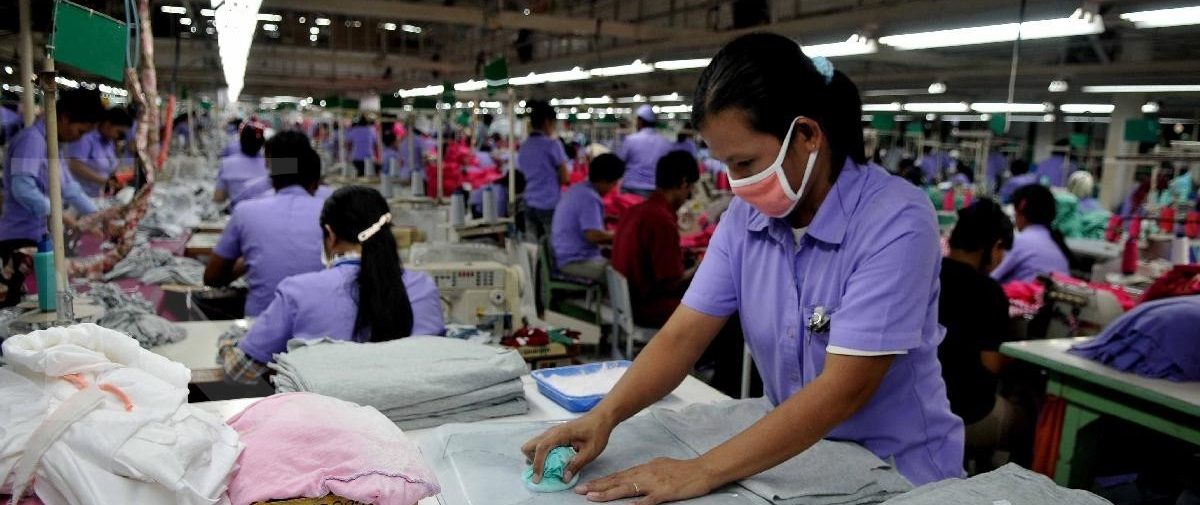
Furthermore, representatives from labor-intensive sectors, such as the Indonesian Textile Association (API), have cautioned that these compounded regulatory demands could threaten the viability of textile, footwear, and garment industries. These sectors are already navigating significant external pressures, including geopolitical instability, reliance on imported raw materials, and illicit market competition. The introduction of stricter contractual parameters and expanded criminal penalty provisions for non-compliance adds a layer of complexity that may further reduce business agility and strain the cost structures of export-oriented enterprises. Compounding this is procedural uncertainty, as the expedited legislative timeline constrained exhaustive public input, and many functional details concerning flexible work criteria and enforcement mechanisms remain dependent on upcoming government regulations, leaving commercial leaders in a temporary period of regulatory interpretation.
In this evolving landscape, the central challenge for companies operating in Indonesia is preparedness. Private sector entities can navigate this transitional period through prudent financial planning and proactive regulatory readiness. This includes conducting comprehensive internal compliance audits, evaluating existing contract durations and severance reserve allocations, and updating onboarding protocols to ensure seamless alignment with the new statutory framework. Enterprises are also well-advised to closely monitor emerging executive implementing decrees, as these detailed guidelines will ultimately define the functional parameters for outsourcing, platform work arrangements, and enforcement oversight. Although the new statute introduces immediate administrative and financial recalibrations, it concurrently establishes a standardized legal ecosystem that could gradually foster greater workforce stability and market predictability. By taking early, measured steps to adjust corporate policies, businesses can effectively maintain operational resilience, mitigate potential legal and reputational exposures, and sustain long-term competitiveness in a rapidly shifting market.
Sources:
- BBC News Indonesia. (2026, October 6). DPR sahkan UU Perlindungan Ketenagakerjaan, apa saja poin-poin penting bagi pekerja? https://www.bbc.com/indonesia/articles/ck8dzm91rllzo
- CNBC Indonesia. (2026, October 8). Pengusaha Nilai UU Ketenagakerjaan Baru RI Memberatkan, Minta Ini. https://www.cnbcindonesia.com/news/20261008104343-4-774344/pengusaha-nilai-uu-ketenagakerjaan-baru-ri-memberatkan-minta-ini
- CNN Indonesia. (2026, October 9). Aturan Perlindungan Kerja Baru Disahkan, Apindo Ogah Berspekulasi. https://www.cnnindonesia.com/ekonomi/20261008212015-92-1413328/aturan-perlindungan-kerja-baru-disahkan-apindo-ogah-berspekulasi
- Dewan Perwakilan Rakyat Republik Indonesia. (2026, October 6). RUU Pelindungan Ketenagakerjaan perkuat hak pekerja dan kepastian dunia usaha. https://www.dpr.go.id/kegiatan-dpr/berita/RUU-Pelindungan-Ketenagakerjaan-Perkuat-Hak-Pekerja-dan-Kepastian-Dunia-Usaha-69819
- Hukumonline. (2026, October 6). Simak! Ini 13 aturan baru dalam UU Pelindungan Ketenagakerjaan. https://www.hukumonline.com/berita/a/simak-ini-13-aturan-baru-dalam-uu-pelindungan-ketenagakerjaan
- Investor Daily. (2026, October 5). Sektor Padat Karya Dinilai Bisa Kolaps Imbas RUU Perlindungan Ketenagakerjaan. https://investor.id/macroeconomy/456774/sektor-padat-karya-dinilai-bisa-kolaps-imbas-ruu-perlindungan-ketenagakerjaan
- Investor Trust. (2026, October 6). Parliament enacts sweeping labor law overhaul as Indonesia navigates domestic business flexibility and binding international trade terms. https://investortrust.id/business/118577/parliament-enacts-sweeping-labor-law-overhaul-as-indonesia-navigates-domestic-business-flexibility-and-binding-international-trade-terms?page=english-edition
- Jakarta Globe. (2026, October 5). Online drivers reject formal worker status in Indonesia’s employment bill. https://jakartaglobe.id/news/online-drivers-reject-formal-worker-status-in-indonesias-employment-bill
- Reuters. (2026, October 6). Indonesian parliament agrees higher severance benefits in new labour law. https://www.reuters.com/world/asia-pacific/indonesian-parliament-agrees-higher-severance-benefits-new-labour-law-2026-10-06/
REGULATORY
OCTOBER 14, 2026
Photo credit: Sekretariat Kabinet